In today’s fast-paced industrial environments, ensuring workplace safety is more important than ever. Injuries caused by heavy lifting, repetitive motion, or awkward positioning can be not only harmful to employees but also costly to businesses. One of the best ways to mitigate these risks is by incorporating ergonomic solutions like scissor lift tables into daily operations. These lifting devices provide a safer alternative to manual lifting and can significantly reduce the risk of injuries while enhancing overall workplace efficiency.
What Are Scissor Lift Tables?
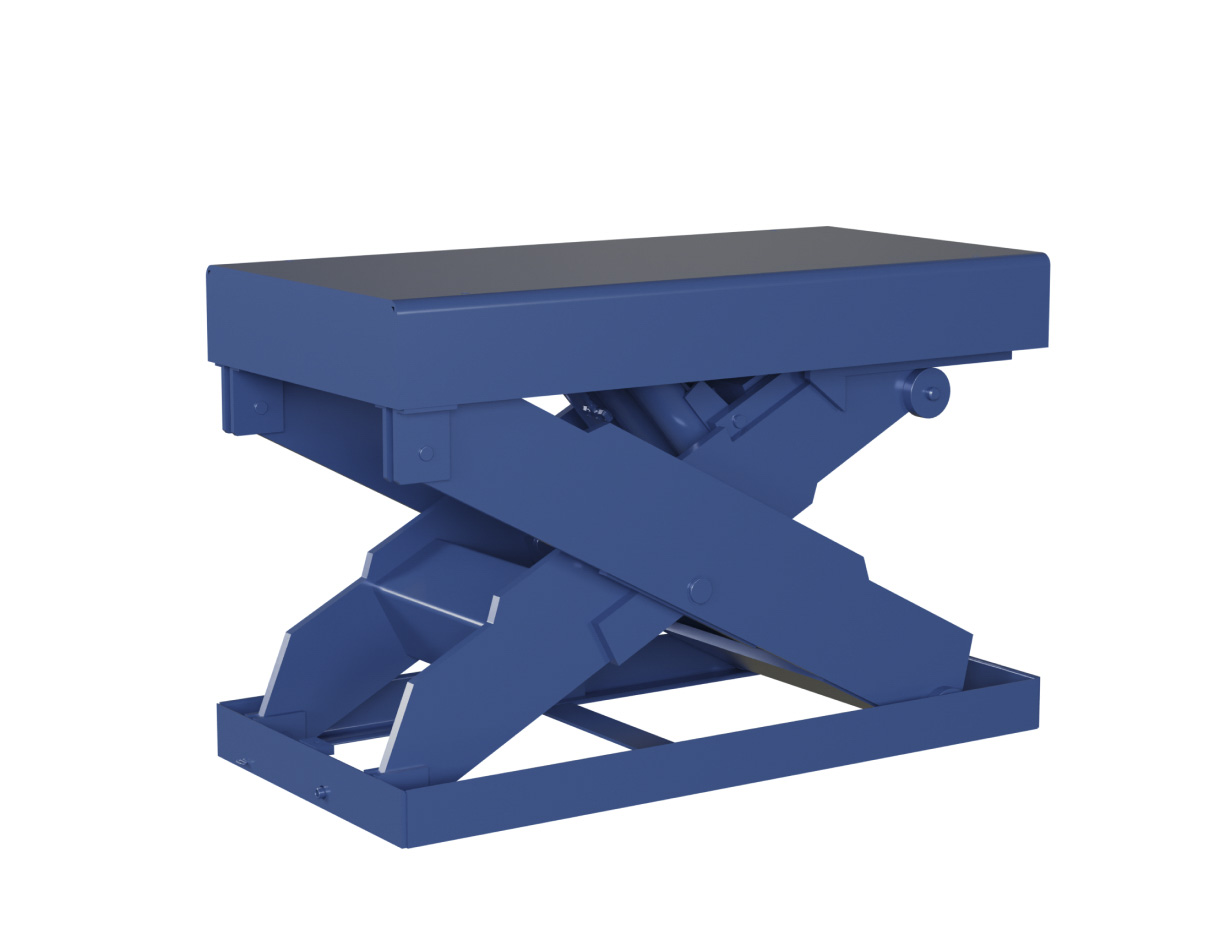
Scissor lift tables are hydraulic platforms designed to lift heavy loads vertically, making it easier for workers to raise or lower materials to the desired height. These versatile tools are commonly used in industries such as manufacturing, warehousing, and logistics, where moving heavy or awkward objects is a daily task.
How Scissor Lift Tables Improve Workplace Safety
1. Reduction in Musculoskeletal Disorders (MSDs)One of the leading causes of workplace injuries is musculoskeletal disorders, which occur due to repetitive strain or overexertion. According to the Occupational Safety and Health Administration (OSHA), musculoskeletal disorders account for nearly 30% of all worker compensation claims. Scissor lift tables reduce the need for workers to bend, stoop, or lift heavy items manually, significantly lowering the risk of developing these injuries.
Not sure which lift is right?
Request a quote and we’ll help you choose the right equipment category for your space, height, and workflow.
No obligation • Industrial equipment specialists
By positioning loads at an ergonomic height, scissor lift tables minimize the stress placed on a worker’s back, neck, and shoulders, allowing them to maintain proper posture while working.
2. Prevention of Overexertion InjuriesLifting heavy objects without assistance can lead to overexertion injuries, such as sprains or muscle tears. Scissor lift tables make it easy to lift heavy materials with minimal physical effort. Workers can load and unload materials without excessive strain, reducing the likelihood of overexertion injuries.
The American National Standards Institute (ANSI) recommends that workers avoid lifting objects that are too heavy or require awkward movements. A scissor lift table allows workers to handle even the heaviest loads in a safe, controlled manner, adhering to these best practices.
3. Improved Load StabilityScissor lift tables not only make it easier to lift heavy items but also improve load stability. When workers attempt to lift or move heavy items manually, they may struggle to maintain proper balance, leading to dropped items or accidents. Scissor lift tables are equipped with safety features such as locking mechanisms and guardrails, ensuring that loads remain secure during movement or lifting. This reduces the risk of accidents that could cause injury to workers or damage to materials.
4. Minimized Risk of Trips and FallsIn many industrial environments, employees are required to carry loads across uneven surfaces or climb ladders to reach high shelves. Both scenarios increase the risk of trips and falls. By using scissor lift tables, workers can avoid these hazards altogether. The lift table brings the load to the worker, eliminating the need to move objects over distances or up and down stairs or ladders.
5. Ergonomic Design for Better ProductivityA safe workplace is a productive workplace. When workers are free from the physical strain of heavy lifting, they are more efficient and focused on their tasks. Scissor lift tables help maintain optimal ergonomic conditions, reducing fatigue and allowing employees to work faster and with greater accuracy. This not only boosts productivity but also reduces the likelihood of mistakes or accidents caused by fatigue.
Best Practices for Using Scissor Lift Tables Safely
While scissor lift tables offer numerous safety benefits, it is essential to follow best practices to maximize their effectiveness. Here are some key tips:
- Proper Training: Workers should receive proper training on how to operate scissor lift tables safely. This includes understanding weight limits, positioning loads correctly, and operating the controls.
- Regular Maintenance: Ensure that lift tables are regularly inspected and maintained to prevent mechanical issues or malfunctions.
- Adherence to Safety Standards: Always follow safety standards outlined by OSHA and ANSI when using lifting equipment. This includes ensuring that scissor lift tables are stable and equipped with the necessary safety features such as locking mechanisms and guardrails.
Why Investing in Safety Matters
Employers are responsible for providing a safe working environment for their employees. According to OSHA, workplace injuries cost U.S. businesses over $60 billion annually. By investing in safety equipment like scissor lift tables, employers can not only prevent injuries but also reduce the financial impact of lost productivity, medical expenses, and worker compensation claims.
In addition, businesses that prioritize workplace safety tend to have higher employee satisfaction and retention rates. Workers are more likely to stay with a company that prioritizes their well-being and provides them with the tools they need to work safely.
Final Thoughts
The benefits of using scissor lift tables in the workplace extend far beyond productivity gains. These versatile tools provide a safer and more ergonomic way to handle heavy loads, reducing the risk of injuries and improving overall safety. By incorporating scissor lift tables into your operations, you can create a safer environment that promotes both worker well-being and business success.
To learn more about how scissor lift tables can improve your workplace safety, visit Industrial Man Lifts for a wide selection of lifting solutions that meet OSHA and ANSI standards.
For more detailed information on safety regulations, please refer to OSHA and ANSI guidelines.
